From traditional rituals to modern science, discover what makes K-Beauty better.
Every few months there’s always a new cream or serum that you just need for your skin, but the trend soon dies down and we all move on to the next, most aesthetic-looking product. Although this wheel of beauty trends remains spinning, there’s always one that has stuck around: Korean skincare. Ever since its 2nd wave of popularity back in 2020, when it made its way back into the U.S. market and in the hands of TikTok users, Korean skincare has remained on the shelves and is the first possible solution we turn to for skin concerns. But what exactly is Korean skincare? What makes it better?
The Origins
Korean skincare, also referred to as K-Beauty, has ties as far back to 57 BCE, during the Three Kingdoms Era (Goguryeo, Baekje, Silla). During this time, Koreans believed that beauty and health were one and the same, so they took the holistic route and trusted nature with their beauty. They would use green tea, rice water, ginseng, and mung beans to cleanse and nourish the skin, and because a luminous look was considered a status of purity, health, and nobility, they would eventually start relying on botanical oils and seed extracts.
The Science Behind It All
It has become abundantly clear that Koreans cherish natural remedies over heavy chemicals, but why is the natural way so much better and why does it actually work?
For over two millennia, ginseng has remained the most culturally enduring ingredient in Korean skincare. Ginseng, known locally as koryo insam, is a medicinal plant root naturally found in cool, shaded forests in parts of East Asia and North America. This powerhouse plant is packed with active compounds called ginsenosides, which are scientifically proven to boost collagen production, improve blood circulation, and neutralize free radicals.
- Boost Collagen: Collagen is the most abundant protein in the human body, acting as a major building block for skin, bones, tendons, ligaments, and muscles. In the skincare world, collagen is considered to be the main structural support and firmness framework for the skin, providing strength and elasticity. Active ginsenosides boost the production of collagen which will in turn act as a supportive cushion inside the dermal, or middle, layer of your skin to keep it looking plump, smooth, and wrinkle-free.
- Improve Blood Circulation: Enhanced microcirculation in the tiny blood vessels of your skin can deliver oxygen and nutrients to skin cells which will lead to glowing, healthy skin. Healthy blood circulation removes waste product, which is essential in clearing acne, and supports healing, which is exactly what your skin needs to brighten post-acne blemishes.
- Neutralize Free Radicals: Free radicals are unstable molecules that steal their missing electron from healthy skin cells, in turn causing premature aging and reduced collagen. They are triggered by external factors like pollution, UV rays, and blue light, and this is where ginseng comes in. Ginseng contains antioxidants that safely share an electron with free radicals, shielding the skin from these triggers by preventing the chain reaction of cellular damage and oxidative stress. P.S. You still need to wear sunscreen.
Although ginseng has been the number 1 ingredient in Korean skincare, both historically and in the modern world, there are other ingredients that take the 2nd and 3rd spot: rice water and green tea. Rice water is the starchy liquid left over after soaking or boiling rice. It originally came to be due to the daily utility of grain preparation, where Korean women noticed that regular contact with the byproduct left their hands smooth and youthful.They later discovered that the starchy water releases key benefits such as amino acids and vitamins B and E, and using these benefits on the skin helped with brightening, hydration, and anti-aging.
Green tea for skincare also originated in the Three Kingdoms Era, where green tea leaves were used as part of ancient Korean remedies for health and skin. Green tea, also called camellia sinensis, was a staple in traditional medicine due to its ability to clear toxins and calm inflammation. EGCG, or epigallocatechin gallate, is the active compound in green tea that provides powerful antioxidant support in order to calm irritation and target acne-causing microbes.
Why Is It Better?
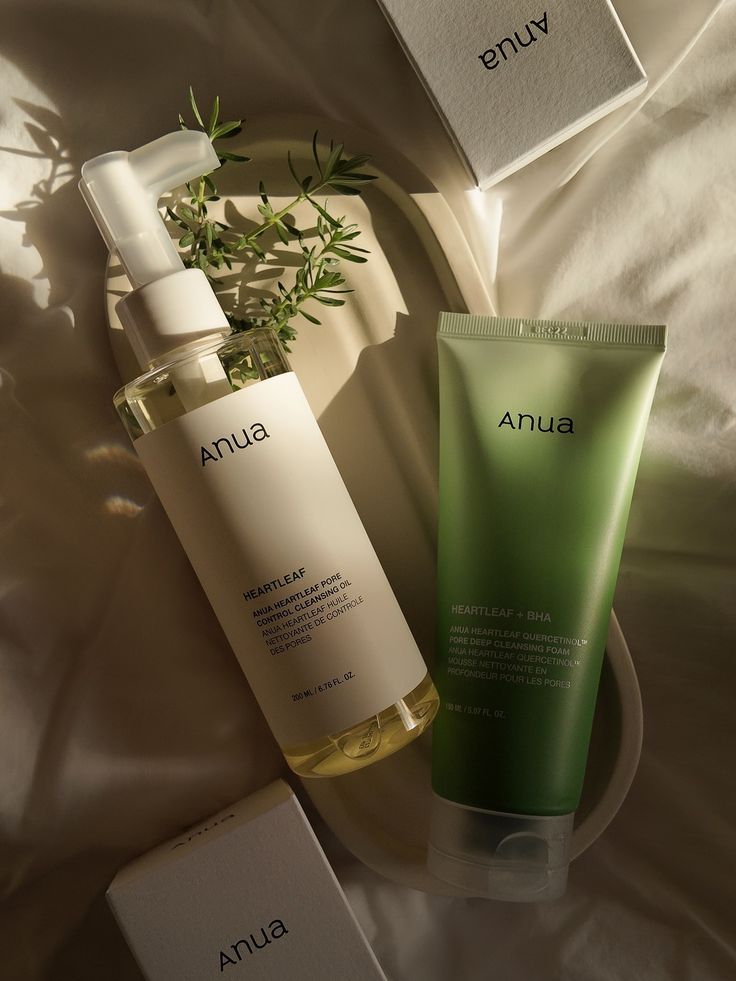
We’ve gone over what makes Korean skincare great, but what makes it better? K-Beauty is centered around having a healthy skin barrier and luminous skin. Korean skincare optimizes hydration within the skin barrier and blocks out external stressors, so it finds the root of the problem and prevents it, all while being sensitive and soothing to the skin. Western skincare focuses heavily on actives such as vitamin C, acids, and retinols, which can cause damage and irritation if not used correctly, especially for users with sensitive, acne-prone skin. Koreans also prioritize SPF due to the historical preference for lighter, porcelain-like skin. Although this belief has evolved, Koreans still emphasize on the importance of sun protection because of its powerful benefits, such as lowering the risk of skin cancer, prevention of sunburns, and stopping premature aging. Lastly, K-Beauty is famous for the double cleanse, a routine that was never seen before in the west. The double cleanse consists of an oil based cleanser first, which works to remove impurities, sunscreen, and makeup. The oil based cleanser is made with plant-based oils to prevent pore-clogging, and emulsifiers so it can be easily washed off with water without leaving a greasy residue. The second step would be the water based cleanser, whose main job is to sweep away water-soluble debris like dirt and to clear out pores while still maintaining the skin’s natural moisture barrier.
Overall
K-beauty has been taking over the shelves in the U.S. and all around the world, but it is more than just a trendy product. Korean skincare is rooted in nature and centuries-long traditions that have led millions to radiant, healthy skin. Educating yourself on the science and history behind K-Beauty is just the first step in your new skincare routine.

